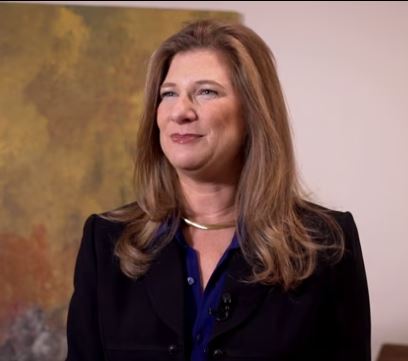

A handshake is one of the first things a client or colleague notices about you, shaping their perception of your strength, confidence, and ability to connect. Regardless of age or seniority, a well-executed handshake sets the right tone for any professional interaction. As a communication coach, I work with clients to ensure their handshakes convey confidence, approachability, and credibility.
The Power of a Handshake
Dating back to ancient Greece, the handshake has long symbolized trust and goodwill. Over time, it has become a universal sign of respect and connection. In professional settings today, it remains a key nonverbal cue that influences first impressions.
The Handshake Spectrum: What Does Yours Say About You?
Your handshake can project confidence and warmth, or unintentionally signal weakness or aggression. Use this 1-to-5 handshake scale to assess where you stand:
Level 1 – Soft touch, limp wrist, curled fingers; Impression Conveyed: Perceived as weak or lacking confidence
Level 2 – Light grip, minimal eye contact; Impression Conveyed: May suggest disinterest or insecurity
Level 3 – Firm grip, good eye contact, brief but controlled; Impression Conveyed: Conveys warmth, confidence, and approachability
Level 4 – Very firm grip, prolonged eye contact; Impression Conveyed: Can be seen as domineering or aggressive
Level 5 – Crushing grip, excessive shaking, or duration; Impression Conveyed: Viewed as overly aggressive, possibly intimidating
The ideal handshake falls in the Level 3-4 range: firm but not overpowering, with eye contact and a brief but solid grip.
Tips for the Perfect Handshake
- Practice Regularly: Test your handshake with trusted colleagues or friends and ask for feedback.
- Maintain Eye Contact: This establishes trust and connection.
- Be Mindful of Hygiene: Keep your hands clean and dry. If you tend to get sweaty palms, touch a metal surface (like a doorknob) beforehand to cool and dry your hands.
- Match the Energy: Your handshake should reflect the level of enthusiasm you bring to the conversation.
A handshake is more than just a formality; it’s a powerful communication tool that can set you up for success. Ensure your handshake conveys confidence, warmth, and professionalism
For more on the history and significance of the handshake, check out this article: The History of the Handshake.