
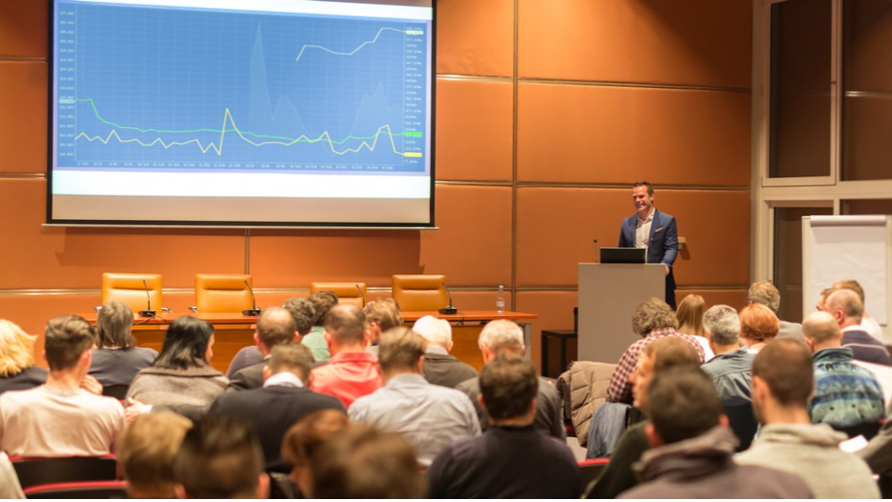
Conferences can be transformative experiences—places where new partnerships are forged, ideas take flight, and energy is reinvigorated. Yet, all too often, they devolve into chaotic whirlwinds of missed opportunities and scattered schedules. Ironically, the best moments often happen in the quiet corners: hallway conversations or impromptu meetups in empty banquet rooms after the main events.
What if those “best parts” could become the focus instead of the afterthought?
When approached as collaborative team-building opportunities rather than individual marathons, conferences can become game-changers—for the company, the team, and the individual. Here’s how you can prepare your team to thrive:
1. Pre-Conference Game Plan
Before the travel frenzy begins, gather your team for a strategy session. This isn’t just a logistics meeting—it’s about aligning individual objectives with team goals. Keep it relaxed, perhaps over lunch or dinner, and encourage open sharing.
- Set clear goals: Ask everyone to identify one company-wide objective (e.g., scouting for future operational challenges) and one personal goal (e.g., making five new connections or asking a question in every session).
- Form sub-teams if needed: If your group exceeds eight members, consider breaking into smaller units to ensure better collaboration and accountability.
This approach ensures your team enters the conference with clarity and purpose, ready to amplify each other’s success.
2. Practice Makes Perfect
Confidence and preparation go hand in hand. Dedicate 15 minutes daily for the team to practice key elements of their conference roles.
- Keep it concise: Each participant gets five minutes to rehearse something specific—whether it’s their presentation introduction, an elevator pitch, or an answer to a likely panel question
- Collective feedback: Use the remaining time to provide constructive input and brainstorm strategies.
This routine not only sharpens individual skills but fosters a shared sense of accountability and camaraderie. Plus, it often leads to creative, collaborative solutions that align with team goals.
3. Plan for the Unexpected
Conferences are notorious for throwing curveballs, from missed connections to overwhelming schedules. Equip your team with tools to handle these situations with grace:
- Identify common challenges: Discuss scenarios that might arise (e.g., feeling stuck in an unproductive conversation or needing to gracefully exit a session).
- Create a support system: Establish communication channels or even subtle signals for requesting help in real time. This can range from group chats to pre-determined hand signals during networking events.
Final Thoughts
Conferences don’t have to be chaotic, draining experiences. With the right preparation and a focus on team synergy, they can be powerful catalysts for growth and innovation. By aligning goals, practicing together, and strategizing for the inevitable hiccups, your team can leave each event not just inspired, but transformed.