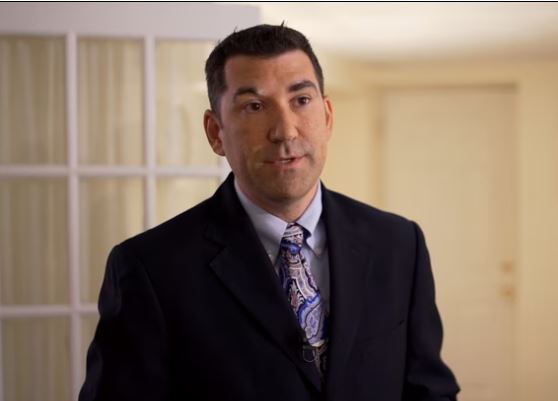
By Dr. Dennis Becker, Principal & Senior Coaching Partner
Last week I was on vacation in Martha’s Vineyard , along with sixteen other family members. It’s an annual thing. We plan it a year in advance and all commit to it. It’s great.. During the week, two separate conversations gave me pause to wonder about how we are interpreting symbols these days. By symbols I mean those non-verbal , non-audio signs on everything from bill boards and busses to pants and purses . TV, newspapers and magazines are inundated with them. Two particular symbols come to mind. What do you think?
1. I happened into a conversation with some young folks while we all enjoyed ice cream. It was a most enjoyable conversation . That is , until I asked one question of a beautiful little girl sitting next to me. She was eight years old. She was adorned in all the usual impressionable eight year old fashion requirements. Those included a variety of items with peace symbols on them. So, I asked her what that symbol meant. She proceeded to tell me with unabashed confidence that it meant fun, friends, being comfortable, being cool, “and stuff like that”. Curiously, I got essentially the same response from a group of teenage girls, also enjoying ice cream, sitting on an adjoining bench, and also regaled with peace signs.
2. Early one morning , as I braved the cold of the Atlantic along Inkwell Beach, I came across a young man, 17ish. As we shivered together and shared tales of the sea creatures, I asked the inevitable question ,”so where do you go to school?”
He told me the name of the school and proudly announced, ‘home of the Rebels!”
I asked what the team and school logo was. He said it was the rebel flag. “Do you know what the rebel flag stands for?”, I asked. “Pride in your school and your team”, he replied with some bravado. “But, do you know what the rebel flag stands for, what is is the symbol of”, I persisted. What followed was a sad commentary on the fact that although he had knowledge of the rebel flag as being a symbol of the old South, he put the emphasis on “old South”. To him it was merely a symbol of his school and team. That “other stuff” didn’t have any relationship to these days and his school and team. Nobody really cared about “that other stuff” any more.
These two particular incidents certainly made me wonder about how many other symbols we might have in contemporary society that are being misconstrued. For instance, we see Rock stars, politicians, wen business people flashing the two fingered V shape on TV , street corners, and business offices every day. Does it still have the same emotional attachments it had in the 60’s? Does it still divide the hawks and doves? I don’t think so.
Music is no exception. We were among the first companies to get an 800 phone number. We were able to get 1-800LETS RAP. Catchy in those days. A real challenge now. We get so many phone calls from potential “Rap stars” who want us to publish their “songs”.
One of the most upsetting re-interpretations of a symbol was a recent production attended of the classic Broadway musical HAIR. It had its origin the late 60’s when the war between those in favor of the Vietnam war and those opposed to it caused regular clashes. A definite symbol of many who were opposed to it was the growth of long hair. The Beatles had something to do with this too, I’m sure. HAIR depicted soldiers with guns at the ready being confronted by “Hippies” with long hair placing flowers into the rifles of the soldiers while singing and reciting “love not war” mantras. Unfortunately, the production of HAIR which I attended recently,depicted the same scene with the “hippies” throwing the flowers at the soldiers and shouting “love not war” in angry tones and daring postures. It was a total misunderstanding of the message of HAIR, let alone that era….”Hair like Jesus wore it…” Remember that line?
So, it behooves us to be careful of how we use symbols and how we simply accept that the same symbol changes it’s meaning…OR NOT…with the passage of time. It further behooves us to help younger generations clearly understand the hurt that can be inflicted due to a lack of knowing how that symbol originated may be perceived by others. I am very glad that I extended my conversations with that little girl and that teenage boy to the point where they thanked me and vowed to spread the accuracy of the symbol. I hope I didn’t come across as too pedantic, but I believe in the words of St. Francis of Assisi who said, “It is no good to walk somewhere to teach unless we teach as we walk”.
Symbols are very much a part of how we communicate . When you see one being used in a questionable manner, i invite you to ask about it. The answers you get may be somewhat upsetting. That’s why the ice cream is so important.