
LEADERSHIP & MANAGEMENT COMMUNICATION TRAINING
Controlling the Impression You Make
How you present yourself determines what people think about you when you leave the room.
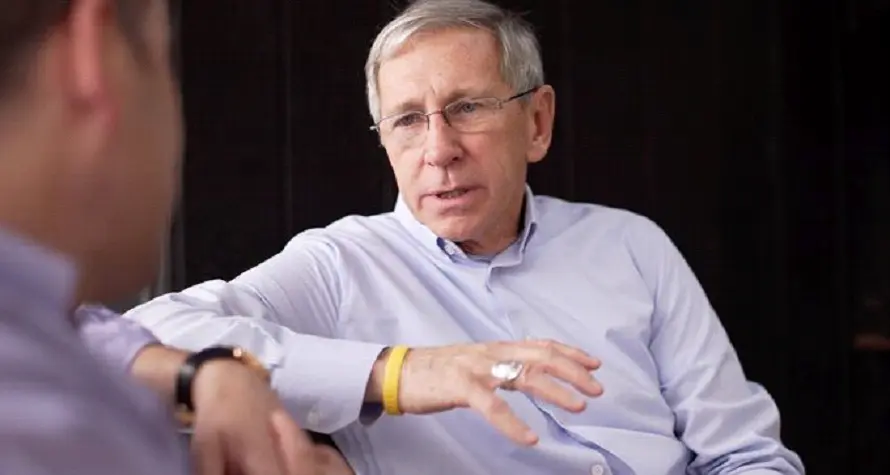
More than 20 years ago, we introduced the Personal Communication Style program. Our one-on-one coaching helps leaders recognize and shape their Personal Communication Style to reflect who they are, how they want to lead, and what impression they want to create.
How others perceive you starts with two words
Approachable. Authoritative. Comfortable. Confident. Enthusiastic. Motivational. Personable.
These are examples of the most frequently identified Personal Communication Styles selected by leaders worldwide. We coach executives to:
- Choose one word for a strength. This is a quality people already recognize in you, one you value and want to keep. It should be a word you hear often and are pleased to hear.
- Choose a second word for growth. This is a quality you would like people to experience more clearly when you communicate. It’s a word you would like to hear more often.
Together, these two “style words” form the framework for learning and creating the desired impression.
We help you define what each word means to you and identify the communication behaviors that bring it to life. These words are filtered through 16 different elements of human communication. Then we practice integrating those behaviors into the way you present yourself and your thoughts—to everyone, every time, in every setting. Finally, you apply these behaviors to the specific situations you encounter throughout your day.
Four simple steps bring your style to life
1. Design
With your coach’s help, you will identify the values, beliefs, and behaviors that are most important to you and the communication skills required to convey them. All of this will help you choose your two style words.
2. Develop
Learn specific communication techniques and a mindset to support your two words. Your coach will introduce these important skills and guide you through their acquisition and development.
3. Practice
Using real-world examples and challenges you currently face, your coach will help you strengthen the use of your new skills. With guided practice and expert feedback, you will feel confident using these techniques with less conscious effort, making your intended style a more natural part of how you communicate.
4. Deliver
Apply your Personal Communication Style in meetings, presentations, and everyday conversations. Whether speaking one-on-one, in a small group, in front of thousands, in person, or on screen, you will speak confidently, authentically, and with impact, knowing that you are making the impression you intend.
A style that feels like you
Effective Personal Communication Style coaching builds on your values and strengths. You learn why a technique supports your goals and how to use it comfortably. Two people may choose the same style words but need different skills. Your communication style will reflect your personality, your understanding of others, and the demands and expectations of your role.
Who coaches you
Our professional Executive Communication Coaches translate your style goals into practical behaviors. In your private coaching sessions, we tailor both what you learn and how you learn it. We combine instruction, feedback, and practice to build lifelong skills you can put to use immediately.
Formats
- Private, one-hour coaching sessions
- Live virtual coaching or in-person coaching at your office or one of our training facilities
- Flexible, personalized scheduling.
Take the next step
Call +1 617.739.3330 or use the form below.
Watch our recorded lesson
Take a closer look at Personal Communication Style in our 30-minute recorded lesson. Consider the impression you want to leave and learn how more deliberate communication will convey it.
Talk with a coach
Fill out the form below to discuss a customized Personal Communication Style coaching plan.